Ukhu Pacha · (OOH-koo PAH-chah) · The Lower World
Shamanic Healing: Ancient Wisdom for Modern Transformation
For thousands of years, humans have accessed non-ordinary states to heal, find guidance, and restore wholeness. Shamanic practices address what modern approaches often miss: the soul level of healing.
📑 In This Article
Something Was Missing
She’d done the therapy. Years of it, actually. She understood her childhood, her patterns, her defenses. She could explain why she felt the way she felt with impressive precision. But something was still off. The understanding hadn’t translated into the change she was looking for. She knew her story, but she didn’t feel healed.
He’d tried everything for the chronic fatigue that had plagued him for years. Every test came back normal. Every specialist was stumped. His body was fine, supposedly. But he knew something was wrong at a level the tests couldn’t measure. He felt depleted in a way that sleep couldn’t fix, as if something essential had been drained out of him.
Modern approaches are powerful, but they often address the mind and body while missing the soul. Shamanic healing works at this deeper level, addressing issues that psychological and physical approaches alone can’t reach.
This isn’t about replacing modern medicine or therapy. It’s about recognizing that humans have multiple dimensions, and healing sometimes requires working with dimensions that Western approaches don’t acknowledge. For thousands of years, across virtually every culture, shamanic practitioners have been doing exactly this work.
What Shamanic Healing Actually Is
Shamanic healing is based on a worldview that sees reality as having multiple layers or dimensions. The physical world we see is one layer. There are also non-ordinary realms that can be accessed through specific practices, most traditionally through rhythmic drumming, chanting, or in some cultures, plant medicines.
The shaman (a word from Siberian traditions that has come to describe similar practitioners worldwide) is someone trained to navigate these realms for the purpose of healing, guidance, and restoring balance. They journey on behalf of others, retrieving lost parts of the soul, removing energies that don’t belong, and bringing back information from spiritual sources.
The shamanic worldview holds that illness and suffering often have spiritual roots. A person might lose vital essence during difficult experiences. They might pick up energetic intrusions that don’t belong to them. They might be disconnected from helping spirits that want to support them. Shamanic healing addresses these spiritual causes, often producing shifts that purely physical or psychological treatments can’t achieve.
Shamanic healing doesn’t require you to believe anything. It asks only that you’re open to the possibility that there’s more to you than your physical body and conscious mind.
The INTI ÑAN Perspective
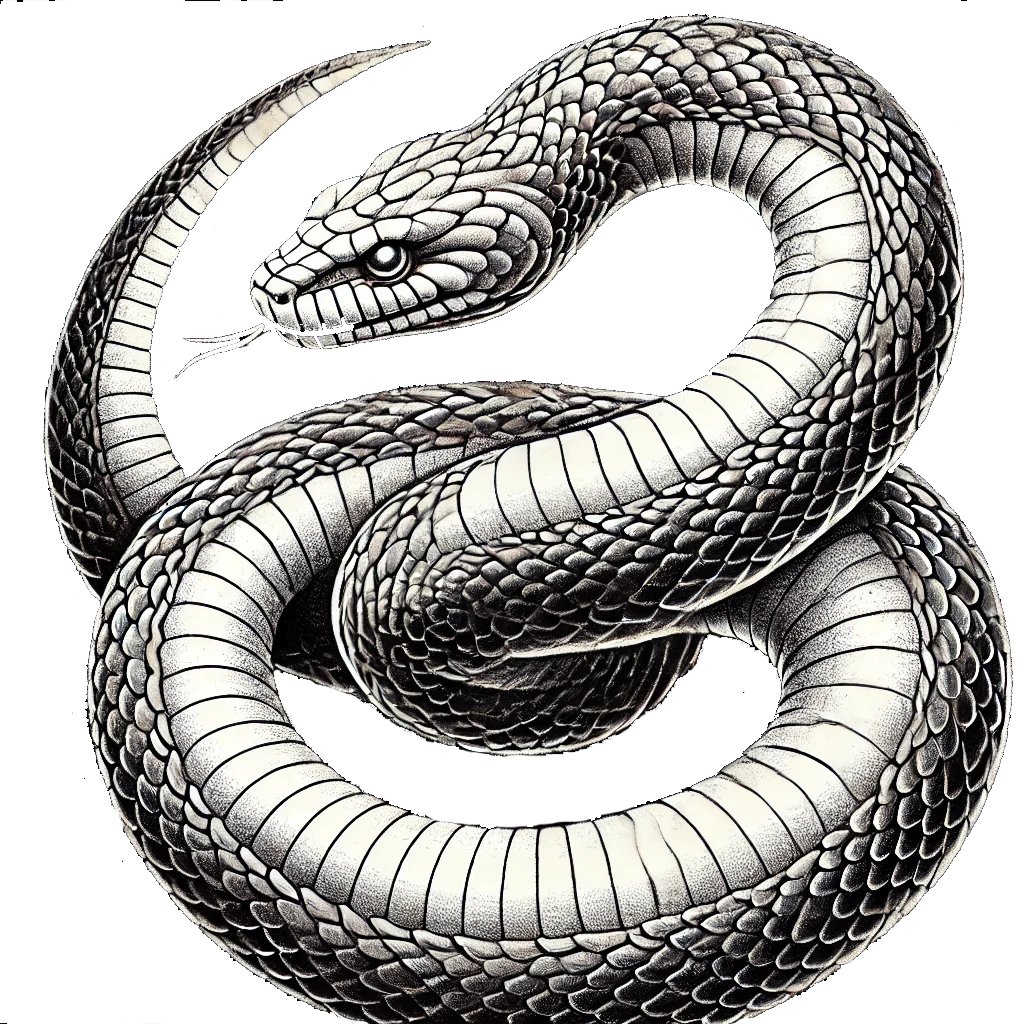
At INTI ÑAN, shamanic healing is central to Ukhu Pacha, the Lower World. This realm, guarded by the Serpent, is where transformation happens at the root level. It’s the place of ancestors, of the collective unconscious, of the patterns that shape our lives from below the surface of awareness.
The Serpent is the perfect guide for this work because it moves between worlds. It lives close to the earth, comfortable with darkness, yet it rises into the light. It sheds its skin completely, emerging renewed. These are the movements of shamanic healing: descending into the depths, shedding what no longer serves, emerging transformed.
The Andean tradition that INTI ÑAN draws from has its own rich shamanic heritage. The Q’ero people of Peru have maintained practices that predate the Inca empire, offering a living lineage of shamanic wisdom. While INTI ÑAN doesn’t claim to represent this tradition, we’re informed by its understanding that healing happens in relationship with the living cosmos, that nature is alive and responsive, and that humans have always needed practices that reconnect them with the sacred.
The Serpent doesn’t fear the underworld. It lives there. Shamanic healing develops this same capacity: the ability to go into the depths and return with healing.
Core Shamanic Practices
While shamanic traditions vary widely across cultures, certain practices appear consistently. Here are some of the most fundamental:
The Shamanic Journey
The journey is the foundational shamanic practice. Using rhythmic drumming, rattling, or other techniques, the practitioner enters a non-ordinary state of consciousness and travels to other realms for healing or information. These realms are often described as Lower, Middle, and Upper worlds, each with different qualities and beings. The journey is not imagination or fantasy but a structured method of accessing dimensions that ordinary consciousness can’t perceive.
Soul Retrieval
When we experience overwhelming situations, especially in childhood, parts of our vital essence can split off and become inaccessible. We might describe this as feeling like “part of me never came back” from an accident, a loss, or a difficult period. In soul retrieval, the practitioner journeys to find these lost parts and brings them back to the person, often resulting in a felt sense of returning wholeness, increased energy, and the resolution of longstanding patterns.
Power Animal Retrieval
In the shamanic worldview, we all have spirit helpers in animal form that offer protection, guidance, and qualities we need. When we lose connection with these helpers, often during childhood as we’re taught to dismiss the “imaginary,” we lose access to vital support. Retrieving a power animal restores this connection, bringing back protection and access to the animal’s specific medicine or qualities.
Power animals aren’t symbols or metaphors. In shamanic understanding, they’re actual spiritual beings who choose to help us. The relationship is reciprocal: we honor them, they support us.
Extraction
Sometimes we carry energies that don’t belong to us. These might be intrusions picked up from others, energetic residue from difficult experiences, or even what some traditions call spiritual parasites. Extraction involves the practitioner perceiving these misplaced energies and removing them, then filling the space with healing light or power. People often report feeling lighter, clearer, or relieved of symptoms they didn’t realize were connected to these intrusions.
Ancestral Healing
Many traditions recognize that patterns pass through family lines, affecting descendants who had no direct involvement in the original events. Ancestral healing works with these inherited patterns, often by journeying to ancestors, facilitating healing or completion for them, and breaking chains of suffering that have persisted across generations. This can shift patterns that seemed inexplicable given the person’s own life history.
Why Shamanic Approaches Work
From a purely materialist perspective, shamanic healing shouldn’t work. But it does, for many people, often producing changes that other approaches haven’t achieved. Why?
One explanation: shamanic practices access the parts of the psyche that cognitive approaches can’t reach. The non-ordinary states induced by drumming and other techniques bypass the conscious mind’s defenses, allowing direct work with material that talking therapy might circle around for years. The symbolic language of shamanism speaks directly to the unconscious in ways it understands.
Another explanation: the relationship itself is healing. Having someone journey on your behalf, fighting for your soul, is a profound experience of being valued. The ritual container creates safety for experiences that might not feel safe in ordinary conversation. The practitioner’s confidence that healing is possible can shift something in the client’s own relationship to their suffering.
Or perhaps shamanic practitioners are working with actual spiritual realities that materialist worldviews don’t recognize. This is certainly what the practitioners themselves would say. And increasingly, research into consciousness suggests that the materialist model may be incomplete, that consciousness might be more fundamental than previously assumed.
You don’t need to resolve these questions to benefit from shamanic work. What matters is whether it helps, and for many people, it does.
Common Misconceptions
“Shamanism is a religion I’d have to convert to.” Shamanism isn’t a religion. It’s a set of techniques for accessing non-ordinary states for healing and guidance. People of any religious background, or none, can benefit from shamanic work. It doesn’t require adopting any beliefs.
“You need to take plant medicines.” While some traditions use plant medicines, many shamanic practices use only drumming, rattling, or breathwork to achieve non-ordinary states. Core shamanic techniques as developed by anthropologist Michael Harner are entirely drug-free. Plant medicine work is a specific path with its own requirements and risks.
“It’s cultural appropriation.” This concern deserves respect. The best approach is to work with practitioners who are clear about their lineage and training, who honor their sources without claiming to be something they’re not, and who approach indigenous traditions with respect rather than entitlement. Universal human practices like drumming and journeying exist across cultures and aren’t owned by any single tradition.
“It can’t work alongside conventional treatment.” Shamanic healing typically works well alongside therapy, medical treatment, and other approaches. It addresses a different dimension, complementing rather than competing with other modalities. Most shamanic practitioners actively encourage clients to maintain their conventional care.
Shamanic work doesn’t require abandoning discernment. Approach it with both openness and discrimination. Work with practitioners who are well-trained, ethical, and humble about their role.
Exploring Shamanic Work
If shamanic healing interests you, there are several ways to begin exploring:
Learn to journey yourself. Basic shamanic journeying can be learned in workshops or through recorded instructions. This gives you direct experience of non-ordinary states without needing a practitioner. Many people find profound value in meeting their own power animals and guides.
Receive a session from a practitioner. For deeper work like soul retrieval, working with a trained practitioner is usually more effective than self-practice. Look for someone with substantial training, clear ethics, and a grounded presence. Personal recommendations are often the best way to find practitioners.
Study the traditions. Reading about shamanic practices from various cultures can provide context and depth. Works by Sandra Ingerman, Michael Harner, and others offer accessible introductions to core practices.
Connect with nature. At its heart, shamanism is about relationship with the living world. Simply spending time in nature with awareness and receptivity can begin opening the doors that shamanic practice walks through more deliberately.
Our free Shamanic Healing assessment helps you understand whether this approach might resonate with your healing needs and natural orientation.
Want to go deeper? Explore our comprehensive Shamanic Healing Guide.
The Full Picture
You’re not just your Enneagram type. You’re a specific combination of personality pattern, soul essence, and healing path – one of 189 pathways that shapes everything from your career to your relationships to your growth edge.
The Karpay reveals yours. The Pathway Comparison shows how yours dances with the people in your life – why some relationships flow effortlessly and others require constant translation.