Ukhu Pacha · (OOK-hoo PAH-chah) · The Lower World
Free Shamanic Healing Test
You think more clearly outside. You restore by changing where you are. A walk changes what a conversation cannot.
Nine recognition questions identify whether environment, place, and presence are your primary transforming medium, and which of the four Shamanic types is yours.
How the Shamanic Healing Test
Identifies Your Mode of Contact
Some people change through where they are and what they do. The answer arrives in the woods, not the notebook. The state shifts in the right room, with the right person, in ways it will not shift alone. Change happens through contact with place, presence, marked action. That kind of transformation is a specific way of moving, and it is not everyone's.
The test looks at how change has actually happened in your life. Not whether you have interest in ceremony or the outdoors, but whether contact with environment, presence, or ritual has done work that thought and effort could not. Nine scenarios ask what has and has not moved things for you. Your answers indicate whether Shamanic Healing is your primary dimension and, if so, whether your path is Soul Retrieval, Power Animal work, Journey work, or Ancestral and Ceremonial healing.
If Shamanic is not your primary dimension, the result names whether pattern recognition (Karmic) or body-first sensing (Energy) is closer to how you actually affect change. Your Shamanic result becomes the third coordinate of your INTI NAN pathway, integrating with your Enneagram type and Soul Type to reveal the one named pathway among 189 you are already walking.
About This Test
What does the Shamanic Healing Test measure?
The test measures whether external contact with place, presence, and marked action is your primary transforming medium. It sits in the Ukhu Pacha (OOK-hoo PAH-chah) The Lower World layer of the three-world system. It is not a test of interest in ceremony or indigenous practice. It asks how change has historically happened in your life, and whether the setting had a leading role in the shifts that mattered.
How is the Shamanic Healing Test different from the other healing tests?
Shamanic Practices identifies people who change through where they are and what they do: the answer that arrives in the woods, the state that only shifts in the right room, the ceremony that does work no amount of sitting could reach. Change is contact, not conclusion. The other two healing dimensions work differently. Karmic Healing identifies those whose transformation comes from seeing the pattern that keeps repeating. Energy Healing identifies those whose body registers what is happening before the mind names it. All three are coordinates in your INTI NAN pathway.
What are the four Shamanic Healing types in the INTI NAN system?
Within the Ukhu Pacha system, Soul Retrieval describes people who sense what has been left behind in specific places or relationships, and who return to reclaim it. Power Animal work describes people to whom animals arrive with significance, in dreams or waking, carrying qualities that come with them. Journey work describes people whose insights land in motion: on trails, on trains, in transit, rarely at desks. Ancestral and Ceremonial Healing describes people who move through ritual and marked space, for whom the container of a ceremony does something that unstructured attention cannot. Combined with nine Enneagram types and seven Soul Types, they produce 189 named pathways™ in the INTI NAN system.
Ukhu Pacha · Your Shamanic Practice
THE RECOGNITION PATTERN
How This Shows Up in Your Life
WHY IT MATTERS
THE MISSING PIECE
Want to go deeper?
What's inside The Shamanic Healing Guide?
- What Does Shamanic Healing Actually Mean in the INTI NAN Ukhu Pacha System?
- What Are the Four Shamanic Healing Types?
- How Does Shamanic Healing Show Up in Daily Life?
- What Is the Shadow Side of Shamanic Healing?
- How Does Shamanic Healing Connect to Enneagram and Soul Type?
- Your Next Steps
IF YOU WANT THE FULL PICTURE
Recognize Your Complete Pathway
The Free Shamanic Healing Test maps one of three dimensions. The Karpay maps all three: Enneagram, Soul Type, and Healing. It reveals the one named pathway among 189 you're already walking. 60 minutes.
First 5 chapters free · Complete 11-chapter pathway for $49.
Continue Exploring Free
Your Journey Through The Three Worlds
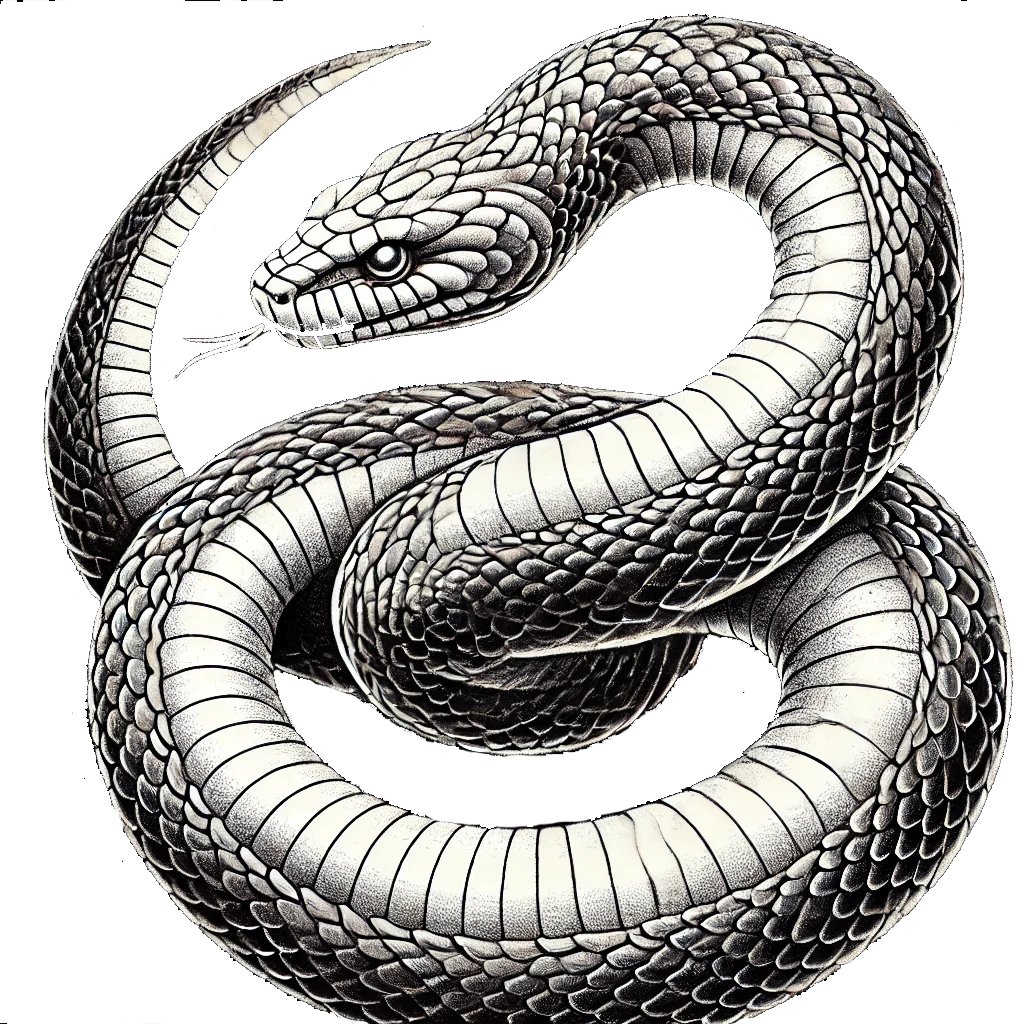
The Serpent reveals Ukhu Pacha. The Puma and Condor await.
The Enneagram framework in its modern psychological form was developed by Oscar Ichazo and Claudio Naranjo in the 1960s and 1970s and has been extensively documented by the Enneagram Institute. The INTI NAN system adapts the Enneagram as one of three dimensions that together map a person's full pathway.
The Soul Type framework is adapted from the Michael Teachings tradition, originally channeled by Chelsea Quinn Yarbro and developed across several decades of study. Within INTI NAN it represents the essence dimension of the pathway - what the person brought in rather than what they learned.
The three-world cosmological structure (Hanan Pacha, Kay Pacha, Ukhu Pacha) and the three healing pathways - Energy Healing (Kawsay Hampiy), Karmic Healing (Nawpa Hampiy), and Shamanic Healing (Paqo Hampiy) - are drawn from Andean Q'ero tradition, the indigenous Andean people widely regarded as the keepers of the original Inca spiritual tradition.
The framework is documented across anthropological and linguistic scholarship as a pre-Hispanic cosmological system rooted in the Quechua language. For further reading see the Pacha (Inca mythology) article, which draws on colonial Quechua sources including the chronicles of Jesuit historian Jose de Acosta, and Constance Classen, Inca Cosmology and the Human Body (University of Utah Press, 1993).
Disclaimer: The INTI NAN pathway system is a framework for self-discovery and personal growth, not medical, therapeutic, or psychological advice, and not a religious teaching. Pathway descriptions and the Quechua and Andean concepts used throughout the platform are intended to support reflection and should be interpreted as invitations to explore, not definitive diagnoses, prescriptions, or representations of the full depth of living Andean tradition.