Ukhu Pacha - (OO-koo PAH-chah) - The Lower World
Chakra Basics: Understanding Your Energy Centers
Your lower back has been tight for three months. Not injured, just tight. You have stretched it, rested it, adjusted your chair. The tightness returns by Thursday. Meanwhile, your finances feel unstable in a way that has nothing to do with the numbers, and you keep putting off a decision you know you need to make.
In This Article
What Do Chakra Basics Actually Map?
Your body has been signaling the same thing for months - you just did not have a map showing where to look. In the INTI NAN Ukhu Pacha (OO-koo PAH-chah) The Lower World framework, the seven chakras are integration centers that translate the patterns your life keeps repeating into the regions of your body where those patterns live.
Your lower back has been tight for three months. Not injured. Just tight. You have stretched it, rested it, adjusted your chair. The tightness returns by Thursday. Meanwhile, your finances feel unstable in a way that has nothing to do with the numbers, and you keep putting off a decision you know you need to make. You have not connected these things. But they are connected.
Chakra basics begin here, not with Sanskrit vocabulary or color charts, but with this: your body keeps score of things your mind has not yet processed. The energetic body is not a spiritual add-on to your physical one. It is the same system described at a different level of resolution. When something is unresolved in a specific domain of your life, it registers somewhere specific in your body. Every time.
Your body has been signaling the same thing for months. You just did not have a map that showed you where to look.
The seven chakras are integration centers. Each governs a distinct domain of life, a set of physical systems, and a range of emotional patterns. Once you understand which center corresponds to which domain, the signals your body has been sending you start to make sense in a completely different way.
What Are Chakras, Really?
The chakra system has its origins in yogic and tantric traditions of South Asia, where it was developed over many centuries as a framework for how vital energy moves through the body. INTI NAN engages with this system as it stands - not as an Andean invention, but as a documented map of the energetic body that has proven its precision across multiple lineages and modern study. The system is honored here in its source; the INTI NAN contribution is the integration of this map with the broader Ukhu Pacha framework, not the system itself.
Each of the seven chakras is an integration center for a specific category of human experience. In the INTI NAN Ukhu Pacha system, the root processes safety, the heart processes connection, the solar plexus processes agency. What happens in those life domains directly affects how the corresponding center functions, and vice versa.
Some researchers have noted that the traditional chakra locations sit near major nerve plexuses and endocrine glands. Whether that correspondence is causal or coincidental is not settled.
The seven chakras are integration centers, not decoration. In the INTI NAN system, these centers operate in Ukhu Pacha and form the Healing Pathway coordinate, one of three dimensions producing a named pathway.
The practical way to understand them: each chakra is an integration center for a specific category of human experience. The root chakra at the base of the spine processes safety and survival. The heart chakra at the chest processes connection and love. The solar plexus, the center just above the navel, processes personal power and agency. What happens in those domains of life directly affects how the corresponding center functions - and vice versa.
A chakra is not a spiritual concept sitting above your real life. It is an integration center running inside it.
Balanced does not mean perfectly open or spinning at maximum. Balanced means the center is moving at the right pace for what you actually need. A chakra can be underactive, barely registering - or overactive, registering so intensely that it destabilizes everything around it. Neither is health. The goal is calibration, not activation. Understanding this distinction changes what you are looking for entirely.
Chakra imbalances do not happen in isolation. They map to the broader energetic patterns described in the Energy Healing framework - the five mechanisms by which energy gets disrupted: absorption, depletion, stagnation, fragmentation, blockage. A root chakra carrying chronic safety overwhelm will often show as depletion. A solar plexus center holding suppressed agency will often show as stagnation. A heart center that absorbs too much from others without filter will often show as fragmentation. The chakra is the location; the mechanism is what is happening at that location. Recognizing which mechanism is most active at which center is the first step toward effective work - and it is where chakra recognition connects to the broader energy framework that sits beneath it.
How Does the INTI NAN Ukhu Pacha Framework Approach the Chakras?
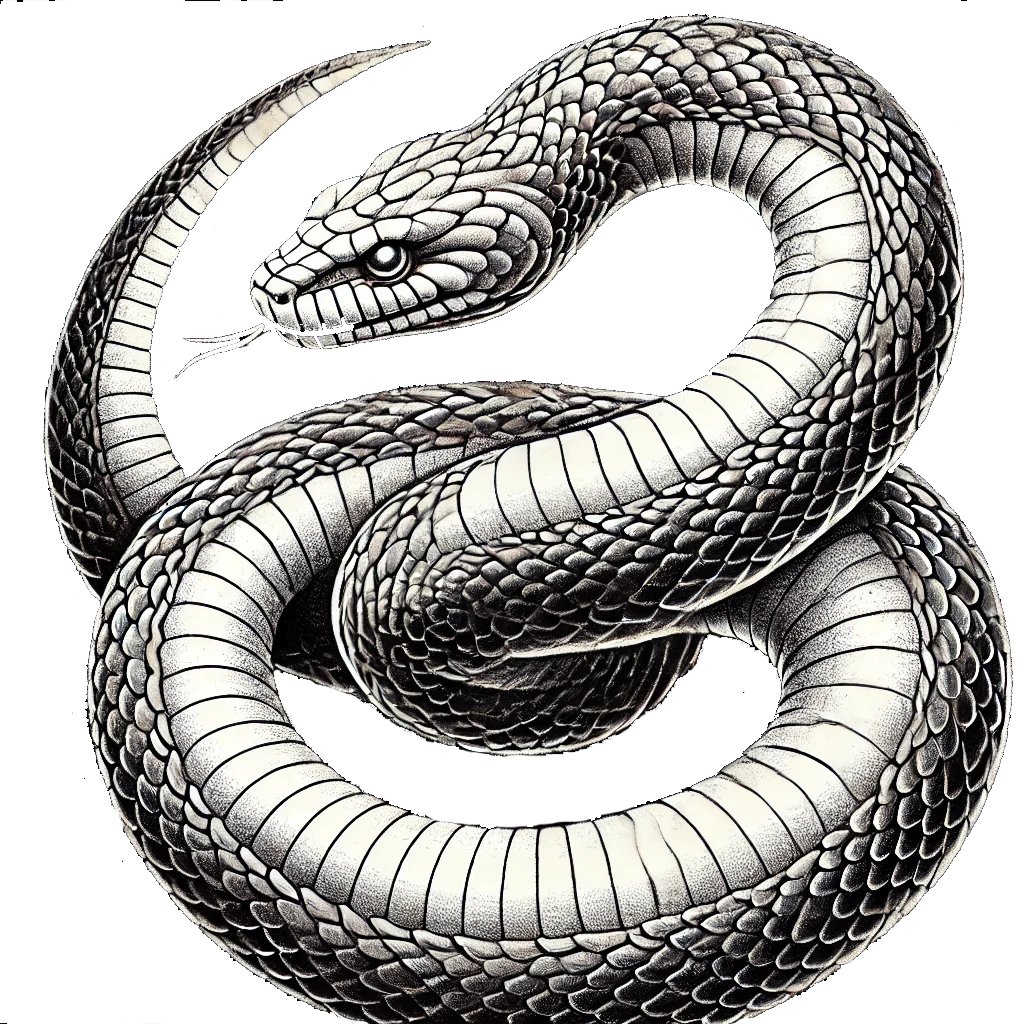
The Serpent (ah-MAH-roo) The Serpent rises. In the INTI NAN Ukhu Pacha framework, this is not poetic imagery but precise sequence - the Serpent cannot skip a level because each center carries something the next one requires. Stability before power, power before love, love before expression. This is the structure of how the chakra system actually works.
Ukhu Pacha, the Lower World in Andean Q'ero cosmology, is the realm the Serpent inhabits. Western frameworks tend to romanticize the crown, the highest center, the spiritual pinnacle. Ukhu Pacha redirects attention downward, to the root, because that is where the system actually begins. The Serpent witnesses without judgment what has accumulated at the base. It does not evaluate. It simply cannot move through what has not been met. This is not a problem to solve. It is a sequence to respect.
What the Andean lens reveals that purely psychological frameworks miss: energy moves in a body that is embedded in the earth, not floating above it. The centers are not rungs on a ladder toward enlightenment. They are a living system, and the living system starts in the ground.
The Serpent does not skip a level. It moves through each one because each one carries something the next level requires.
Ukhu Pacha is one of three dimensions in INTI NAN. Combined with the Enneagram world of Kay Pacha (KAY PAH-chah) The Middle World and the Soul Type world of Hanan Pacha (hah-NAHN PAH-chah) The Upper World, it produces one of 189 named pathways™. Each pathway names a specific recognition - a combination particular to how all three dimensions resolve in one person. Chakra work sits within the energy dimension of this Lower World. The Serpent rises through each center in sequence because each one carries something the next requires. The map is not complete until all three dimensions are visible. The Karpay is how you find which pathway is yours.
Want to know how your energetic body operates?
A short test. Your result names which energy patterns are most active in your system and where the natural openings and constrictions are - the energetic signature your body carries.
Take the Free Energy Healing Test →Which Chakra Governs Which Domain of Life?
Each of the seven chakras governs a recognizable slice of lived experience. In the INTI NAN Ukhu Pacha framework, the imbalances are not abstract - they show up in patterns you have already noticed, in your body, relationships, and recurring frustrations, with each center producing distinct signs when underactive versus overactive.
Root Chakra - Muladhara
Located at the base of the spine. Governs safety, survival, physical security, and your relationship to money and your body. Balanced: you feel settled, capable, physically at home in your life. Underactive: chronic anxiety that has no clear source, financial fear that persists regardless of circumstances, difficulty staying present in your body. Overactive: rigidity, hoarding behavior, an inability to adapt when conditions change.
Sacral Chakra - Svadhisthana
Located just below the navel. Governs creativity, pleasure, emotional fluidity, and desire. Balanced: you move through emotions without getting stuck, you create with ease, you enjoy sensory experience. Underactive: numbness, creative blocks, difficulty feeling pleasure or wanting anything. Overactive: emotional volatility, compulsive behavior, relationships that feel addictive rather than nourishing.
Solar Plexus - Manipura
Located above the navel. Governs personal power, agency and confidence. Balanced: you make decisions without excessive second-guessing, you act from your own center. Underactive: chronic self-doubt, people-pleasing, difficulty initiating. Overactive: control behavior, domination in relationships, an inability to let others take the lead.
Heart Chakra - Anahata
Located at the center of the chest. Governs love, connection, grief, and compassion. Balanced: you give and receive care without keeping score. Underactive: emotional withdrawal, isolation, difficulty receiving love. Overactive: codependency, losing yourself in others' needs, grief that does not move.
Throat Chakra - Vishuddha
Located at the throat. Governs expression, truth, and communication. Balanced: you say what you mean, you speak before the moment passes. Underactive: swallowing what you actually think, chronic throat tension. Overactive: talking over others, speaking before listening, using words as control.
Third Eye - Ajna
Located between the eyebrows. Governs intuition, perception, and clarity. Balanced: you trust your perception, you see patterns clearly. Underactive: confusion, inability to trust your own read on situations. Overactive: living in your head, analysis paralysis, detachment from the physical.
Crown Chakra - Sahasrara
Located at the top of the head. Governs connection to something larger than personal identity. Balanced: a sense of meaning that does not depend on circumstances. Underactive: nihilism, disconnection from purpose. Overactive: spiritual bypassing, using transcendence to avoid ordinary life.
The pattern that keeps repeating in your relationships, your work, your health - it has a location. It is not random.
Which Daily Practices Support Each Energy Center?
You do not need elaborate ritual to work with your energy centers. In the INTI NAN Ukhu Pacha framework, the most effective practices are behavioral ones that fit inside an ordinary day - noticing which life domain is generating friction, reading physical sensation as information, and supporting each center through specific daily actions.
What follows describes how the tradition understands each phase. It is offered for reflection and recognition, not as instruction, recommendation, or a substitute for professional care.
Notice which life domain is generating the most friction this week. That domain tells you which center to pay attention to. Friction in financial decisions points to the root. Difficulty speaking up points to the throat. Let the pattern lead you to the location.
Physical sensation is information. Tightness, heaviness, numbness, or heat in a specific area of your body often corresponds directly to the chakra located there. Before reaching for a physical explanation, ask what domain of life that center governs and what has been active in that domain recently.
Support the root chakra through physical contact with the earth, consistent routines, and completing small financial decisions you have been avoiding. Support the solar plexus by making one decision per day without revising it. Support the heart by noticing what you are withholding and choosing not to.
The energetic body framework describes how these centers interact as a full system - what disrupts them and how the field reorganizes. Start there if you want the architecture before the individual centers.
You do not start at the crown and work down. You start where the signal is loudest and follow the sequence from there.
What Have You Probably Believed Wrong About Chakras?
The most damaging belief about chakra work is that more open is better. In the INTI NAN Ukhu Pacha framework, overactive chakras produce just as much disruption as underactive ones. Balance is calibration to what your actual life requires, not perpetual maximum output, and understanding this changes what you are looking for entirely.
Common Belief
More open is better. The goal is to have all seven chakras fully activated and spinning at maximum capacity.
What Is Actually True
Overactive chakras produce just as much disruption as underactive ones. The solar plexus running at maximum produces controlling behavior, not confidence. The heart chakra at maximum produces codependency, not love. Balance is calibration to what your actual life requires, not perpetual maximum output.
Common Belief
Chakra work is separate from practical life. It is something you do in a special context, then return to ordinary reality.
What Is Actually True
The pattern that keeps appearing in your meetings, your mornings, your conversations with your partner - that pattern is the practice. The energy centers are translating your daily experience in real time. Paying attention to them means paying closer attention to what is already happening, not entering a separate state. The map was always describing your ordinary life. You were just reading it as decoration.
Where Do You Go From Here With Chakra Work?
If something in this article named a pattern you recognized, these INTI NAN resources help you get specific about where in your own Ukhu Pacha system the signal is loudest - starting from the location rather than the full map at once.
Start Here
The Free Energy Healing Test identifies how you process energy, who and what charges or drains you, and where body intelligence leads your decisions. It gives you a specific starting point rather than the full map at once.
Go Deeper
The Energy Healing Guide covers the behavioral patterns of energy healing - how the body registers what the mind has not yet named. It moves from the individual centers into how the full system behaves over time.
The Full Framework
The Energy Healing Basics parent article covers the full energetic body framework - how the field works as a whole and what disrupts it. The individual chakras make more sense once you have seen how they fit inside the larger system.
The World
The Ukhu Pacha world page holds the full Lower World framework - the Serpent's domain, the complete range of approaches it encompasses, and how your energetic recognition connects to the other two dimensions of INTI NAN.
IF YOU WANT THE FULL PICTURE
Recognize Your Complete Pathway
Your Enneagram explains why you do what you do. The Karpay names all three - and life stops feeling like a fight you don't know how to win.
First 5 chapters free · Complete 11-chapter pathway for $49
Takes about 60 minutes.
Continue Exploring Free
The Enneagram framework in its modern psychological form was developed by Oscar Ichazo and Claudio Naranjo in the 1960s and 1970s and has been extensively documented by the Enneagram Institute. The INTI NAN system adapts the Enneagram as one of three dimensions that together map a person's full pathway.
The Soul Type framework is adapted from the Michael Teachings tradition, originally channeled by Chelsea Quinn Yarbro and developed across several decades of study. Within INTI NAN it represents the essence dimension of the pathway - what the person brought in rather than what they learned.
The three-world cosmological structure (Hanan Pacha, Kay Pacha, Ukhu Pacha) and the three healing pathways - Energy Healing (Kawsay Hampiy), Karmic Healing (Nawpa Hampiy), and Shamanic Healing (Paqo Hampiy) - are drawn from Andean Q'ero tradition, the indigenous Andean people widely regarded as the keepers of the original Inca spiritual tradition.
The framework is documented across anthropological and linguistic scholarship as a pre-Hispanic cosmological system rooted in the Quechua language. See also the Pacha (Inca mythology) article, which draws on colonial Quechua sources including the chronicles of Jesuit historian Jose de Acosta, and Constance Classen, Inca Cosmology and the Human Body (University of Utah Press, 1993).
Disclaimer: The INTI NAN pathway system is a framework for self-discovery and personal growth, not medical, therapeutic, or psychological advice, and not a religious teaching. Pathway descriptions and the Quechua and Andean concepts used throughout the platform are intended to support reflection and should be interpreted as invitations to explore, not definitive diagnoses, prescriptions, or representations of the full depth of living Andean tradition.