Ukhu Pacha - (OO-koo PAH-chah) - The Lower World
Power Animals: Your Spiritual Allies and Guides
You collected wolf figurines as a child. Or you dreamed of eagles repeatedly. Or there was one animal at the zoo that stopped you cold in a way you still remember decades later. That recognition was not random.
In This Article
Was Your Power Animal Guide There Before You Had Words for It?
The animal guide relationship does not begin when you decide to pursue it. In the INTI NAN Ukhu Pacha framework, it begins earlier - often much earlier - in moments of inexplicable recognition that your rational mind filed under "strange coincidence" and moved on from, while the recognition kept quietly returning.
You are eight years old at the zoo. Every exhibit passes in a blur until one animal locks eyes with you. You stand there longer than anyone else. Your family moves on. You don't. You don't know why. You just know something happened.
That moment is what people mean when they talk about a power animal guide, even if no one in your life ever used that phrase. The animal guide relationship does not begin when you decide to pursue it. It begins earlier, often much earlier, in moments of inexplicable recognition that your rational mind filed under "strange coincidence" and moved on from.
The recognition keeps coming. The same animal appears in dreams during the most difficult stretches of your life. You find yourself drawn to its imagery without knowing why. You feel a specific quality of attention when you encounter it in the wild, something that does not happen with other animals.
The animal did not choose you the day you noticed it. You had already been in relationship with it before you were paying attention.
This is the starting point for understanding shamanic allies. Not ceremony. Not study. The recurring recognition you have carried, quietly, for years.
Is a Power Animal a Relationship or a Metaphor?
Most modern references to spirit animals treat them as personality symbols, the way a horoscope sign works. In the INTI NAN Ukhu Pacha framework, a power animal is a relationship with a specific quality of intelligence that moves through the world in a particular form, available as a living ally rather than a symbol.
The animal-ally relationships at the heart of Ukhu Pacha practice are inseparable from the specific lands and indigenous lineages that preserved them. Organizations like the Sacred Land Film Project document these place-based traditions and the cultural knowledge they carry, including the relationships between specific peoples and the animal intelligences native to their territories.
A power animal is not a symbol but a living relationship. In the INTI NAN system, this work operates in Ukhu Pacha and forms the Healing Pathway coordinate, one of three dimensions producing a named pathway.
A power animal is a relationship with a specific quality of intelligence that moves through the world in a particular form. Wolf does not represent loyalty the way a dictionary entry represents a word. Wolf carries a living quality of intelligence - pack awareness, threshold navigation, the ability to move in darkness without losing direction. When wolf is your shamanic ally, that intelligence becomes available to you in moments when your own perception falls short.
The difference between symbol and ally is the difference between a picture of water and water itself.
This distinction changes how you engage. A symbol is something you think about. An ally is something you consult, something that responds, something whose absence you feel as a specific kind of flatness in your own perception. People who have lost contact with their totem animal often describe feeling less sharp, less instinctively certain, less able to read situations accurately. They rarely connect those feelings to the relationship that has gone quiet.
Restoring the relationship does not require believing anything in advance. It requires noticing what you already notice.
How Does the INTI NAN Ukhu Pacha Framework Approach Power Animals?
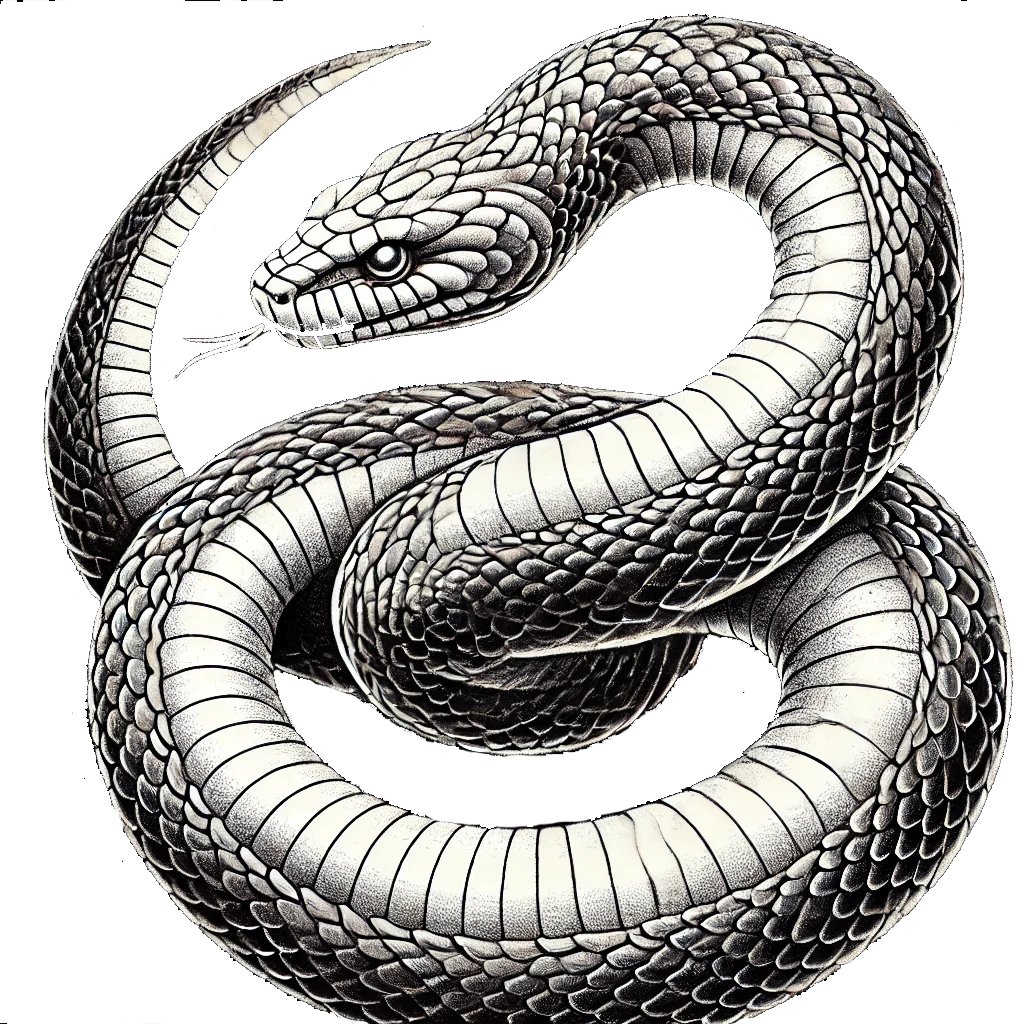
The Serpent (ah-MAH-roo) The Serpent knows every creature that moves through Ukhu Pacha. In the INTI NAN Ukhu Pacha framework, the Lower World is not the underworld of fear or punishment but the realm where the oldest relationships live, where the intelligence that predates human language still moves freely. Power animals are native to this dimension, not visitors.
Western psychology tends to frame animal symbolism as projection, as the mind externalizing its own qualities onto an image. That framework is useful for some purposes. But it cannot account for the specificity of what people actually experience when a genuine animal guide relationship is active. The Serpent's lens reveals something different: the animal is not a mirror of what you already are. It is a carrier of what you need access to that your current form of intelligence does not include.
Ukhu Pacha does not ask you to believe this. The Serpent witnesses without judgment whether you engage or ignore. What changes when you engage is your capacity to perceive - not your beliefs about perception. The Lower World has been present beneath your ordinary awareness your entire life. Working with a power animal is not adding something new. It is remembering a relationship that was already there before you had language for it.
The Serpent does not introduce you to your animal guide. It reminds you that you already know each other.
Ukhu Pacha is one of three dimensions in INTI NAN. Combined with the Enneagram world of Kay Pacha (KAY PAH-chah) The Middle World and the Soul Type world of Hanan Pacha (hah-NAHN PAH-chah) The Upper World, it produces one of 189 named pathways™. Each pathway names a specific recognition - a combination particular to how all three dimensions resolve in one person. Power animal work sits within the shamanic dimension of this Lower World. The Serpent recognizes which animal allies are already native to a particular person's territory; the relationship was there before the person had language for it. The map is not complete until all three dimensions are visible. The Karpay is how you find which pathway is yours.
Not sure which shamanic practice is yours?
A short test. Your result names which shamanic practice - soul retrieval, power animal work, journey work or ancestral - corresponds to what your particular pattern most calls for.
Take the Free Shamanic Healing Test →What Do the Six Major Power Animal Guides Actually Do?
These are not personality descriptions. In the INTI NAN Ukhu Pacha framework, each entry describes what becomes available when the animal guide relationship is active, and the specific kind of flatness that appears when it goes quiet - wolf, eagle, bear, serpent, puma, hummingbird each carrying a distinct intelligence.
Wolf
Wolf essence is threshold intelligence. You know which doors to walk through and which to leave closed, not through analysis but through a certainty that arrives before you can explain it. When wolf goes quiet, you find yourself second-guessing instincts you used to trust. Decisions that should feel clear feel murky. People with wolf as their shamanic ally often describe a specific kind of loneliness when disconnected - not social loneliness, but the feeling of navigating without a compass.
Eagle
Eagle essence is altitude perception. You can hold the full picture without losing the specific detail. When eagle is active, you see what others miss because they are standing too close. When the relationship weakens, you find yourself pulled into the immediate, reacting to what is right in front of you, losing the broader pattern you normally track without effort.
Bear
Bear essence is the capacity to go inward without losing groundedness. Bear knows how to enter the dark season, draw resources from stillness, and emerge unchanged in core. People with bear as their totem animal often have unusually strong inner lives. When disconnected, they report a restless inability to be alone without anxiety, as if the interior space that used to feel like home has gone unfamiliar.
Serpent
Serpent essence is renewal through release. You shed what no longer serves without drama and without loss of self. Serpent allies recognize, often mid-sentence, when something that used to be true about them is no longer true. When this animal guide goes quiet, people report clinging to old identities, old stories, old roles past the point where they fit, as if they have forgotten they know how to shed.
Puma
Puma essence is the ability to move in complete darkness. Not recklessness - precision in conditions where others cannot see. Puma allies make their most important decisions at night, in uncertainty, without the comfort of clear information. When this shamanic ally is absent, they freeze at thresholds, waiting for a clarity that was never going to come before the move.
Hummingbird
Hummingbird essence is joy as navigation. The hummingbird finds what sustains it by moving toward sweetness, not by mapping the territory first. Hummingbird allies know intuitively when they are in the wrong environment before they can articulate why. When disconnected, they lose that somatic compass and find themselves in situations that drain them without understanding how they arrived there.
Your power animal does not give you its qualities. It makes you a better version of what you already are when the relationship is alive.
How Do You Reconnect With a Power Animal Without Formal Training?
You do not need a ceremony to begin. In the INTI NAN Ukhu Pacha framework, the work happens through attention directed in specific places - tracking the animal that keeps appearing without your invitation, noticing the precise quality that shifts in your perception when you encounter it, and engaging through ordinary behavior rather than formal practice.
What follows describes how the tradition understands each phase. It is offered for reflection and recognition, not as instruction, recommendation, or a substitute for professional care.
Track the recurring animal. Not the one you find most spiritually appealing - the one that keeps appearing without your invitation. Note where and when it shows up. The pattern will tell you something about what the relationship is responding to in your life right now.
Notice the quality, not the symbol. When you encounter your animal guide, something specific shifts in your perception or your body. Name that shift precisely. That specificity is the actual essence. Generalities like "I feel calm" are too broad. What, exactly, becomes available to you that was not available a moment before?
Engage through ordinary behavior. If bear is your totem animal, the relationship is maintained as much by how you treat your own need for stillness as it is by any formal practice. Animal essence lives in behavior. The more your daily life reflects the intelligence your animal guide carries, the more active the relationship stays.
The most consistent way to maintain an animal guide relationship is to live as if the essence is already available to you - because it is.
What Have You Almost Certainly Believed About Power Animals?
The most common error is treating power animal work as selection from a list of admirable qualities. In the INTI NAN Ukhu Pacha framework, the animal guide relationship is not chosen - it is recognized, through a pattern of appearance that has been in motion longer than conscious engagement with the question.
Common Belief
You choose your power animal based on which animal's qualities you most admire or identify with.
What Is Actually True
The animal guide relationship is not chosen, it is recognized. The animal that has appeared repeatedly in your life without your choosing it - in dreams, in unexpected encounters, in inexplicable pull - is more likely your genuine shamanic ally than the one you would pick from a list based on aspiration.
The second common mistake is treating the relationship as static. People identify a power animal once and consider the question settled. But the relationship changes as your life changes. Some people carry the same animal guide for decades. Others find that a different animal becomes prominent during a particular season of life, carrying essence specific to what that period requires.
The relationship is alive. It responds to your attention and to your need. Treating it as a fixed label is looking at the wrong level entirely - it is like deciding you know everything about a person from their name.
Where Do You Go From Here With Power Animal Work?
Power animal work sits within a broader Ukhu Pacha framework of shamanic practice. These INTI NAN resources help you locate it within the full picture - the tests, the guides, the parent article on shamanic healing that covers how animal ally work fits alongside the other core practices.
Start Here
The Free Shamanic Healing Test identifies how environment, ritual, and place-based practice shape your inner state. It is the fastest way to understand which dimensions of shamanic practice are most active in your life right now.
Go Deeper
The Shamanic Healing Guide covers shamanic practice as a behavioral discipline - how changing your environment, rhythm, and ritual changes your state. It places power animal work within the full context of what shamanic practice involves.
The Full Framework
The Ukhu Pacha world page lays out the complete Lower World framework, including how animal essence connects to the other practices that move through this dimension. Start here if you want the map before the territory.
The Broader Practice
The parent article on Shamanic Healing covers the full shamanic framework, including how power animal retrieval fits alongside the other four core practices. Read this to understand where animal guide work sits in the larger structure.
IF YOU WANT THE FULL PICTURE
Recognize Your Complete Pathway
Your Enneagram explains why you do what you do. The Karpay names all three - and life stops feeling like a fight you don't know how to win.
First 5 chapters free · Complete 11-chapter pathway for $49
Takes about 60 minutes.
Continue Exploring Free
The Enneagram framework in its modern psychological form was developed by Oscar Ichazo and Claudio Naranjo in the 1960s and 1970s and has been extensively documented by the Enneagram Institute. The INTI NAN system adapts the Enneagram as one of three dimensions that together map a person's full pathway.
The Soul Type framework is adapted from the Michael Teachings tradition, originally channeled by Chelsea Quinn Yarbro and developed across several decades of study. Within INTI NAN it represents the essence dimension of the pathway - what the person brought in rather than what they learned.
The three-world cosmological structure (Hanan Pacha, Kay Pacha, Ukhu Pacha) and the three healing pathways - Energy Healing (Kawsay Hampiy), Karmic Healing (Nawpa Hampiy), and Shamanic Healing (Paqo Hampiy) - are drawn from Andean Q'ero tradition, the indigenous Andean people widely regarded as the keepers of the original Inca spiritual tradition.
The framework is documented across anthropological and linguistic scholarship as a pre-Hispanic cosmological system rooted in the Quechua language. See also the Pacha (Inca mythology) article, which draws on colonial Quechua sources including the chronicles of Jesuit historian Jose de Acosta, and Constance Classen, Inca Cosmology and the Human Body (University of Utah Press, 1993).
Disclaimer: The INTI NAN pathway system is a framework for self-discovery and personal growth, not medical, therapeutic, or psychological advice, and not a religious teaching. Pathway descriptions and the Quechua and Andean concepts used throughout the platform are intended to support reflection and should be interpreted as invitations to explore, not definitive diagnoses, prescriptions, or representations of the full depth of living Andean tradition.