Ukhu Pacha · (OOH-koo PAH-chah) · The Lower World
Plant Medicine: Sacred Allies in Shamanic Healing
For thousands of years, indigenous cultures have worked with sacred plants as teachers, healers, and doorways to expanded consciousness. These are not recreational substances but powerful allies that demand respect, preparation, and proper ceremonial context.
📑 In This Article
Not Drugs: Plant Teachers
The Western framework of “drugs” fails to capture what plant medicines actually are. A drug is something you take to feel different. A plant teacher is a conscious entity you enter into relationship with, one that shows you what you need to see, not necessarily what you want to see.
Indigenous cultures don’t view these plants as substances to be extracted, concentrated, and consumed. They’re living beings with their own intelligence, their own will, their own teachings. The Shipibo people of Peru call ayahuasca “Madre” because she functions as a mother: nurturing but also fierce, loving but also demanding, capable of showing you exactly where you’ve been lying to yourself.
Plant medicines don’t give you anything you don’t already have. They show you what’s already there, including what you’ve been avoiding. This is why they’re called teachers rather than healers. The healing comes from what you do with what they show you.
This distinction matters because approach determines outcome. Those who come seeking escape or entertainment often receive harsh lessons. Those who come with respect, intention, and genuine desire for healing tend to receive exactly what they need, though rarely in the form they expected. The plants seem to respond to intention as much as biochemistry.
How Plant Medicines Work
From a Western scientific perspective, most major plant medicines affect serotonin receptors in ways that temporarily dissolve the brain’s default mode network, the neural system responsible for maintaining your ordinary sense of self. When this network quiets, the usual boundaries between self and world, between past and present, between conscious and unconscious become permeable.
From a shamanic perspective, the plants open doorways between worlds. They allow access to non-ordinary reality, to the realm of spirits, ancestors, and the deeper patterns underlying surface experience. What Western science calls “hallucination,” shamanic traditions understand as perception of dimensions that are always present but usually filtered out by ordinary consciousness.
Both perspectives are likely true. The neurological changes are real and measurable. The spiritual experiences are real and transformative. The plants operate on multiple levels simultaneously, addressing body, mind, and spirit in ways that purely psychological approaches cannot reach.
What plant medicines consistently do is bypass the ego’s defenses. The stories you tell yourself, the ways you avoid certain feelings, the patterns you can’t see because you’re too close to them, these become visible. Material that might take years to access in talk therapy can surface in a single ceremony. This is both the power and the challenge: you see what you need to see whether you feel ready or not.
The plants don’t heal you directly. They show you what needs healing and often provide the energy and insight to begin that healing. But the work itself remains yours to do.
The INTI ÑAN Perspective
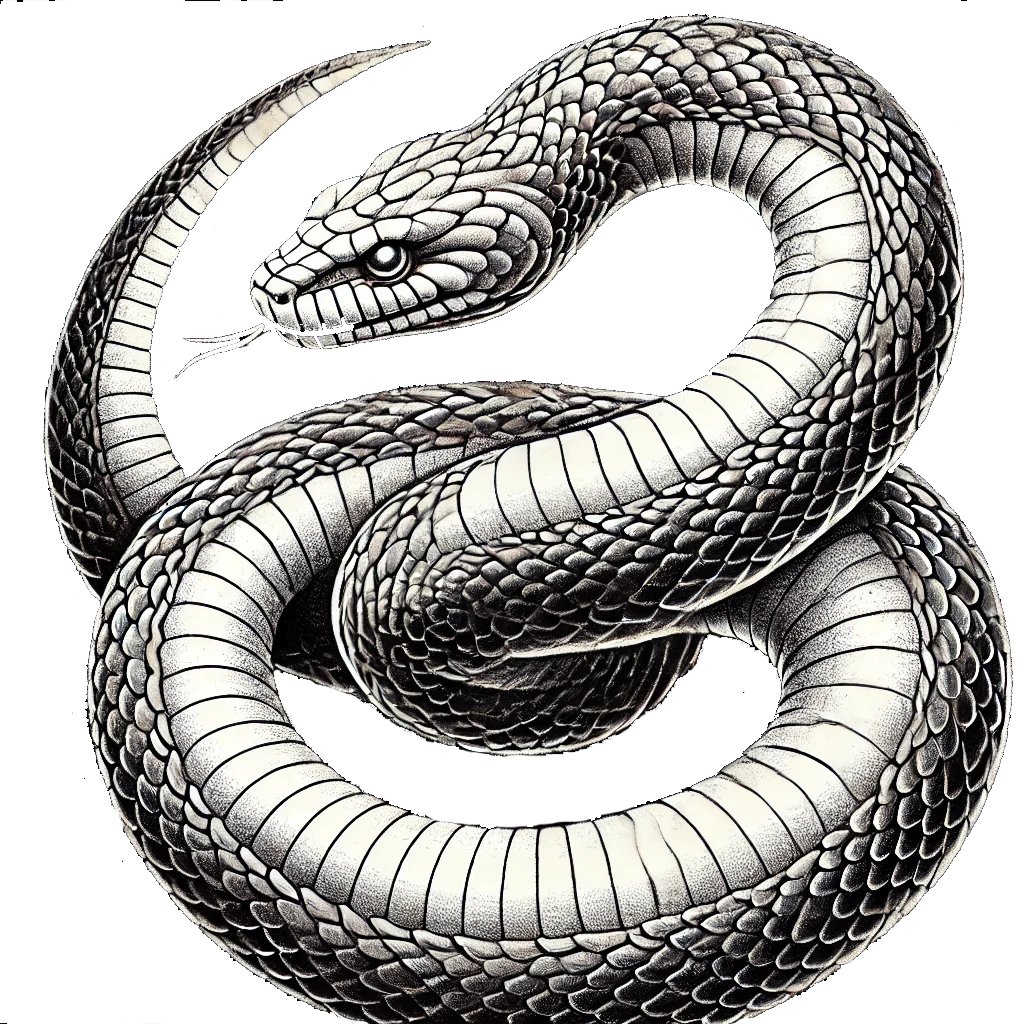
At INTI ÑAN, plant medicine is understood through Ukhu Pacha, the Lower World of deep transformation, guarded by the Serpent. This is the realm where what has been buried comes to light, where the roots of our patterns can be accessed and transformed, where death and rebirth occur.
The Serpent is the perfect guardian for plant medicine work. It moves between worlds, comfortable in darkness, skilled at shedding what no longer serves. The serpent’s medicine is about releasing old skins, about the death that precedes new life, about going down into the depths to find what’s been hidden there. Plant medicines work in exactly this way.
The Andean tradition from which INTI ÑAN draws includes deep relationship with plant teachers, particularly San Pedro (Huachuma), which has been used ceremonially in Peru for over 3,000 years. The Q’ero people, keepers of Andean wisdom, understand these plants as sacred allies that facilitate connection with Pachamama (Earth Mother) and the spirit world. Plant medicine is not separate from the broader shamanic healing tradition but integral to it.
Ukhu Pacha teaches that you must go down to come up. Plant medicines take you into the depths not to leave you there but to retrieve what’s been lost and release what’s been held. The descent is in service of rising.
The Major Plant Medicines
Several plant medicines have been used ceremonially for centuries or millennia. Each has distinct characteristics:
Ayahuasca
Origin: Amazon basin (Peru, Ecuador, Colombia, Brazil). Active compounds: DMT and MAO inhibitors from combined plants. Duration: 4-6 hours. Character: Often called “the Grandmother” or “the Vine of the Soul.” Known for showing deep psychological and spiritual content, facilitating encounters with entities and ancestors, and inducing profound purging (physical and emotional). Particularly effective for soul retrieval, releasing stuck patterns, and receiving life guidance. Can be intensely challenging. Typically worked with in nighttime ceremonies with trained curanderos who sing icaros (medicine songs) to guide the experience.
San Pedro (Huachuma)
Origin: Andes mountains (Peru, Ecuador, Bolivia). Active compound: Mescaline from the cactus. Duration: 8-14 hours. Character: Often called “the Grandfather” or “the Masculine Medicine.” Known for heart opening, connection with nature and earth, gentle but profound insights, and a sense of communion with all life. Typically worked with during daytime, often outdoors. Generally considered more approachable than ayahuasca while still profoundly transformative. Particularly effective for opening the heart, healing relationship patterns, and connecting with Pachamama.
Psilocybin Mushrooms
Origin: Global (used ceremonially in Mesoamerica, particularly by Mazatec people of Mexico). Active compound: Psilocybin/psilocin. Duration: 4-6 hours. Character: Called “little saints” or “flesh of the gods” in traditional contexts. Known for dissolving ego boundaries, facilitating mystical experiences, enhancing emotional processing, and catalyzing psychological breakthroughs. More recently studied in clinical settings for depression, anxiety, and addiction with remarkable results. Can range from gentle to intensely powerful depending on dose and setting.
Peyote
Origin: Northern Mexico and southwestern United States. Active compound: Mescaline from the cactus. Duration: 10-12 hours. Character: Central to the Native American Church and traditional Huichol practice. Known for teaching discipline, revealing life purpose, and facilitating communion with the spirit world. Traditionally worked with in all-night ceremonies with extensive ritual structure. Access to authentic ceremony is limited and generally restricted to indigenous practitioners and communities.
Iboga/Ibogaine
Origin: Central Africa (Gabon, Cameroon). Active compound: Ibogaine from the root bark. Duration: 24-36 hours. Character: Central to Bwiti spiritual practice. Known for profound life review experiences, interrupting addiction patterns, and confronting deeply buried material. Particularly effective for addiction treatment but requires careful medical screening due to cardiac effects. The most physically demanding of the major plant medicines.
The Ceremonial Container
The context in which plant medicine is taken matters as much as the plant itself. Indigenous traditions developed elaborate ceremonial structures not from superstition but from thousands of years of learning what creates safe and effective experiences:
Preparation (Dieta). Most traditions require dietary and behavioral preparation before ceremony. This typically includes abstaining from alcohol, recreational substances, certain foods, and sometimes sexual activity. The dieta isn’t arbitrary restriction; it clears the system, heightens sensitivity, and demonstrates commitment. Coming to medicine without proper preparation often results in more difficult experiences.
Sacred space. Ceremony happens in space that has been intentionally prepared and protected. This might involve physical cleansing, energetic clearing, calling in protective spirits, and establishing clear boundaries. The space becomes a container that holds whatever arises.
Skilled facilitation. Traditional ceremonies are led by practitioners who have undergone years or decades of training, including extensive personal work with the medicines. A skilled facilitator reads the energy of the space, supports individuals as needed, navigates difficult passages, and maintains the integrity of the ceremony throughout.
Music and song. Most traditions use specific songs or music to guide the experience. In ayahuasca ceremony, icaros (medicine songs) are considered essential, not accompaniment. The songs work with the medicine to open, heal, close, and protect. They’re technologies as much as art.
Integration support. Authentic ceremony includes some form of integration support, whether through conversation the following day, ongoing relationship with the facilitator, or community context that helps participants make sense of and apply what they experienced.
The ceremonial container isn’t just tradition or atmosphere. It’s technology. Every element serves a function in creating safety and maximizing healing potential. Stripping these elements away doesn’t modernize the practice; it undermines it.
Integration: Where the Real Work Happens
The ceremony itself is only the beginning. What you do afterward determines whether the experience transforms your life or fades into interesting memory. This is integration: the process of bringing insights from non-ordinary states into ordinary life.
Give it time. The days and weeks following ceremony are sensitive. The psyche remains more open, more impressionable. This is both opportunity and vulnerability. Rushing back into normal life too quickly can close doors that just opened. Taking time for reflection, journaling, nature, and quiet allows the experience to settle and deepen.
Document what you received. Write down insights, images, messages, and realizations as soon as possible. Memory of non-ordinary states fades quickly, and the specific details often contain important guidance. Don’t interpret too quickly; just capture what happened.
Make concrete changes. Insight without action dissipates. If the medicine showed you something about how you’re living, take steps to address it. Small, consistent changes matter more than dramatic gestures. The question isn’t “What did I see?” but “What will I do differently?”
Seek support. Integration is easier with help. This might come from integration circles, therapists familiar with plant medicine work, or trusted friends who can witness your process. Trying to integrate alone is possible but harder.
Be patient. Some experiences integrate quickly. Others take months or years to fully unfold. Material that seemed confusing during ceremony may become clear much later. Trust the process even when you can’t see where it’s going.
Finding Authentic Ceremony
The growing interest in plant medicine has created a crowded landscape of offerings, ranging from deeply authentic to genuinely dangerous. Discernment matters:
Lineage and training. Where did the facilitator learn? How long did they train? Do they work within an established tradition or have they created their own approach? Long apprenticeship within a lineage doesn’t guarantee quality, but it’s a meaningful indicator.
Personal practice. Does the facilitator have ongoing personal practice with the medicines they serve? How do they continue their own development? Teachers who have stopped learning often become dangerous.
Screening and preparation. Legitimate practitioners screen participants for physical and psychological contraindications. They provide clear preparation guidelines. They take time to understand why you’re coming and whether this is appropriate for you. Quick, easy access often indicates insufficient care.
Physical safety. What medical backup exists? How are the medicines sourced? What happens if someone has a medical emergency? These aren’t spiritual questions, but they’re essential questions.
Ethical conduct. Has the practitioner maintained ethical boundaries? Sexual misconduct and abuse of power are unfortunately common in this space. Research reputations. Trust your instincts. Powerful medicine doesn’t excuse harmful behavior.
Integration support. What happens after ceremony? Practitioners who facilitate powerful experiences without supporting integration are doing incomplete work.
Our Shamanic Healing assessment can help you explore your relationship with these traditions. For broader context on shamanic approaches, see our comprehensive guide.
The Full Picture
You’re not just your Enneagram type. You’re a specific combination of personality pattern, soul essence, and healing path – one of 189 pathways that shapes everything from your career to your relationships to your growth edge.
The Karpay reveals yours. The Pathway Comparison shows how yours dances with the people in your life.