Ukhu Pacha – (OO-koo PAH-chah) – The Lower World
Plant Medicine: Sacred Allies in Shamanic Healing
She came seeking relief from the depression that had not responded to anything else. What she encountered was not relief. It was a direct confrontation with the thing she had been running from for eleven years.
In This Article
When Does Plant Medicine Find You?
Plant medicine has been meeting people at a specific threshold for thousands of years. In the INTI NAN Ukhu Pacha framework, the threshold arrives after the other approaches have moved something a few inches and stopped – and the sacred plants have never been described by the cultures that preserved them as comfort, but as teachers.
You have tried the medication adjustments. The talk-based approaches. The dietary shifts, the sleep routines, the meditation apps you opened twice. Each one moved something a few inches and then stopped. And then someone says a word, or you read something at midnight, and something older than your skepticism pays attention.
Plant medicine has been meeting people at exactly this threshold for thousands of years. Not because it promises relief, but because it does not. The sacred plants at the center of shamanic tradition – ayahuasca, psilocybin, san pedro, and their kin – have never been described by the cultures that cultivated them as comfort. They are described as teachers. The distinction changes everything about how you approach them and what you receive.
The plant does not give you what you want. It shows you what you have been avoiding – and then it stays in the room with you while you look at it.
What follows is not an endorsement or a guide to access. It is an attempt to describe what these plants actually are, what happens inside a genuine ceremonial container, and why integration – the weeks after – is where the actual shift occurs.
Why Are Sacred Plants Called Teachers, Not Substances?
The fundamental Western error with plant medicine is categorical. In the INTI NAN Ukhu Pacha framework, placing these plants in the same conceptual box as pharmaceuticals reduces them to their neurochemistry and misses almost everything else that matters about a relationship shamanic traditions have described as conscious, intelligent, and responsive.
The contemporary research on ayahuasca, psilocybin, and related plant medicines – their neurological mechanisms, documented applications, and the ceremonial contexts that shape their effects – is documented by MAPS, the Multidisciplinary Association for Psychedelic Studies, which coordinates peer-reviewed trials and preserves the contextual knowledge that distinguishes ceremonial work from extractive use.
These are teachers, not substances. In the INTI NAN system, this work operates in Ukhu Pacha and forms the Healing Pathway coordinate, one of three dimensions producing a named pathway.
But it is incomplete in the same way that describing music as air pressure variations is incomplete. True as far as it goes. Misses almost everything that matters.
Indigenous shamanic traditions across continents – without contact with each other – arrived at the same conclusion independently: these plants are conscious. They have intelligence. They respond to intention. They meet the person who arrives, not a generic brain chemistry profile. What you bring to the ceremony shapes what you encounter inside it. This is not mysticism as an alternative to science. It is an additional frame that explains what the neuroscience cannot – why two people in identical neurological conditions have completely different experiences with the same plant medicine.
Intention is not preparation. Intention is the first conversation you have with the plant, before you have swallowed anything.
When shamanic traditions describe these plants as allies, they mean something specific: a relationship, not a transaction. You do not take ayahuasca. You enter into a relationship with it. That relationship has protocols, obligations, and a direction you do not entirely control.
How Does the INTI NAN Ukhu Pacha Framework Approach Plant Medicine?
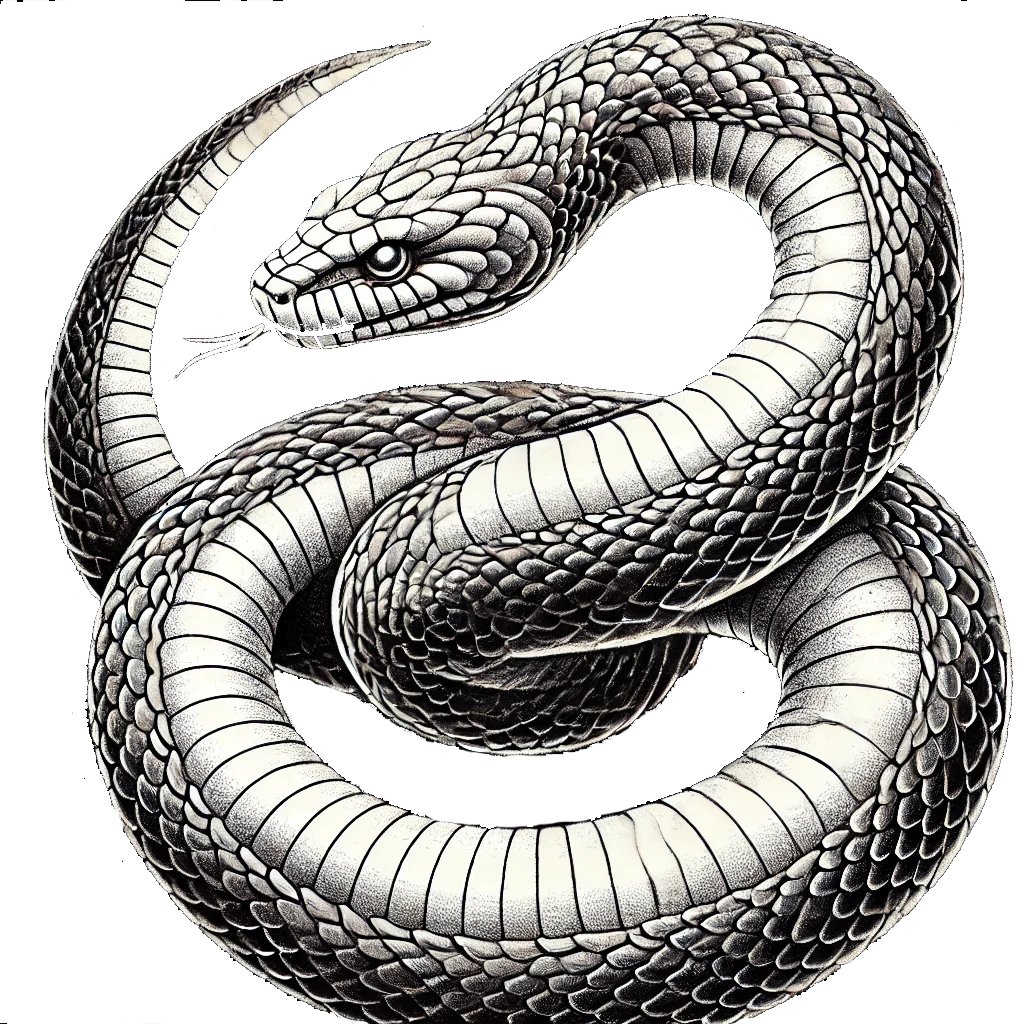
In the INTI NAN Ukhu Pacha framework, the Serpent (ah-MAH-roo) The Serpent descends deliberately because underground is where roots draw sustenance and where transformation happens in the absence of light. Plant medicines work in precisely this way – the descent is not the problem to avoid, it is the mechanism that makes the encounter possible at all.
This is exactly how plant medicine works in the shamanic tradition. The descent is not the problem to be avoided. It is the mechanism. Ukhu Pacha teaches that you must go down to come up – that the material buried beneath the surface does not dissolve from above. You have to meet it at the level where it lives.
Western psychological frameworks tend to approach difficult interior states as problems to be resolved – managed, reduced, reframed. The Serpent does not manage. It moves through. It is comfortable in darkness not because darkness is comfortable, but because the Serpent understands that darkness is not the destination. The descent is in service of rising. Plant medicines in ceremonial healing operate in precisely this way – they take you down not to strand you there, but because the thing you came to find is not available from ground level.
What the Andean lens reveals that Western psychology often misses: the difficulty inside a plant medicine ceremony is not a side effect. It is the medicine working.
The Serpent does not avoid the underground. It knows that what needs to be found is only found there.
Ukhu Pacha is one of three dimensions in INTI NAN. Combined with the Enneagram world of Kay Pacha (KAY PAH-chah) The Middle World and the Soul Type world of Hanan Pacha (hah-NAHN PAH-chah) The Upper World, it produces one of 189 named pathways™. Each pathway names a specific recognition – a combination particular to how all three dimensions resolve in one person. Plant medicine work sits within the shamanic dimension of this Lower World. The Serpent does not rush its descent, and plant medicines operate at the same tempo – the encounter takes the time the buried material requires. That is the door plant medicine opens. The map is not complete until all three dimensions are visible. The Karpay is how you find which pathway is yours.
Not sure which shamanic practice is yours?
A short assessment. Your result names which shamanic practice – soul retrieval, power animal work, extraction, ancestral, or another – corresponds to what your particular pattern most calls for.
Take the Free Shamanic Healing Test →What Are the Five Plant Medicine Teachers and How Do They Work?
Each major plant medicine has a character – a particular way it teaches, a particular kind of attention it rewards, a particular kind of resistance it will not accommodate. In the INTI NAN Ukhu Pacha framework, understanding the character of each plant before encountering it is not academic preparation but the beginning of the relationship itself.
Ayahuasca
The most relational of the plant medicines. Ayahuasca – the vine combined with chacruna leaf in Amazonian shamanic tradition – is known for taking you precisely where you most need to go, which is rarely where you wanted to go. She (the plant is consistently described in feminine terms across unconnected traditions) has particular patience for the stories you have told yourself and particular interest in the places where those stories break down. Ceremonies typically last six to eight hours. The neurological mechanism involves DMT and monoamine oxidase inhibition. The experiential mechanism involves something harder to categorize.
Psilocybin
The mushroom works through pattern dissolution – the rigid mental frameworks that feel like reality become visible as frameworks. Psilocybin increases connectivity between brain regions that do not normally communicate directly, which experientially manifests as seeing familiar things from angles that feel genuinely new. In shamanic contexts, the mushroom is associated with the earth itself – Mazatec tradition names the mushrooms “the children,” small beings with their own intelligence. The insight that arrives through psilocybin tends to feel obvious in retrospect, which is its signature: it shows you what you already knew but could not access.
San Pedro
The Andean cactus used in ceremonial healing for at least three thousand years. Where ayahuasca descends into interior darkness, san pedro often moves outward – an expansion of perception and connection rather than a confrontation with what is buried. It is described as masculine, solar, and direct. Ceremonies typically happen in daylight. San pedro has a reputation for revealing the love that underlies the difficulty – showing you the thing you have been defending against not as an enemy but as a distorted attempt at something valid.
Iboga
The West African root bark used in Bwiti tradition is not subtle. It is described by those who have worked with it as the most demanding of the plant teachers – physically difficult, prolonged (ceremonies can span twelve to thirty hours), and precise in what it surfaces. Iboga does not negotiate with avoidance. It has shown significant efficacy in interrupting addiction patterns, which aligns with its character: it removes the buffer between you and whatever the substance or behavior was managing.
Tobacco (Mapacho)
Frequently overlooked in Western plant medicine conversations, mapacho – sacred tobacco, not commercial tobacco – is the foundational plant ally in many Amazonian shamanic traditions. It is used to clear, protect, and call in other plant medicines. A skilled curandero uses it throughout ceremony not as a substance but as a tool of energetic navigation. Its inclusion here matters because it reframes the Western concept of what counts as a plant medicine: not potency, but relationship and function within the ceremonial container.
You do not choose which plant works with you. You notice which one has already been calling your attention for months.
Why Is the Ceremonial Container Technology, Not Decoration?
Ceremony is not decoration around plant medicine. In the INTI NAN Ukhu Pacha framework, it is the technology that determines what the plant can do – establishing intention collectively, providing navigational structure for altered states, and creating held space where difficult material can surface without becoming chaotic.
The elements that feel like tradition – the specific songs an ayahuascero sings, the directional orientations of a san pedro mesa, the darkness of the ceremony space – are not cultural aesthetics. They are the container that holds the experience coherent. A genuine ceremonial container does three things: it establishes intention collectively, it provides a navigational structure for altered states, and it creates a held space where difficult material can surface without becoming chaotic.
Remove the ceremonial container and you have a very intense experience. Keep it and you have a directed one.
This is why the question of where and with whom you do this work matters more than which plant you encounter. An experienced curandero or facilitator is not a guide in the tourist sense. They are the navigator, holding the space oriented toward emergence rather than drift. Integration – the weeks following ceremony, when the material that surfaced requires grounding in ordinary life – is where the plant medicine completes its work. The ceremony opens. Integration is where the opening becomes change.
Before ceremony: clarify your intention. Not what you want to happen – what question you are genuinely willing to receive an answer to, even if the answer is uncomfortable.
During ceremony: follow what the plant shows you rather than steering toward what you hoped to find. The resistance to looking is itself information.
After ceremony: treat the two to four weeks following as active integration. What surfaced needs grounding in daily life – through conversation, writing, or changes in behavior – before it consolidates into lasting recognition.
What Do People Get Wrong About Plant Medicine?
The most damaging belief is that plant medicine experiences produce lasting change on their own. In the INTI NAN Ukhu Pacha framework, the ceremony is an opening and the integration is where change actually occurs – the weeks following, where surfaced material requires active engagement before it consolidates into recognition.
Common Belief
Plant medicine ceremonies produce mystical experiences that feel profound in the moment but fade like dreams, leaving little that actually changes.
What Is Actually True
The ceremony is an opening, not an arrival. People who report that “nothing changed” almost universally skipped integration – they returned to identical environments, routines, and relationships the day after ceremony and treated the experience as complete. The material surfaced in ceremony requires active engagement in the weeks following to become actual change. The plant does not install the shift. It shows you where to look. You do the rest.
Common Belief
The more intense and difficult the ceremony experience, the more successful it was.
What Is Actually True
Difficulty is not the metric. Some of the most significant plant medicine experiences are described as quiet, even gentle – a slow recognition rather than a confrontation. The plant gives what is needed, not what is dramatic. Seeking intensity for its own sake is the surest way to miss what the plant is actually offering.
Common Belief
Plant medicines exist in a single legal context that applies the same way everywhere.
What Is Actually True
Legal status varies dramatically by substance and jurisdiction. Some of these plants are federally restricted, some are decriminalized at the municipal level, some remain fully restricted with no exception, and some carry specific religious-use exemptions that apply only to members of recognized lineages. Anyone considering plant medicine work needs to research the legal status of the specific substance in the specific jurisdiction where ceremony will take place. Ceremonial integrity does not override legal reality, and a practitioner who dismisses the legal question is signaling a discernment problem worth taking seriously.
The hardest misconception to release is the one about readiness – that you need to resolve your existing difficulties before approaching plant medicine in ceremonial healing. The opposite is closer to the truth. The plants work with what is present, not with the cleaned-up version you plan to present. You do not need to be ready. You need to be honest about where you actually are.
Where Do You Go From Here With Plant Medicine?
If this article has surfaced something you want to follow further, these INTI NAN resources each address a different dimension of the same Ukhu Pacha territory – the tests, the guides, the parent article on shamanic healing, and the broader framework that holds plant medicine within the complete three-world map.
Discover Your Pattern
The Free Shamanic Healing Test identifies how environment, ritual, and place-based practice shape your inner state. It is the natural first step before engaging with any specific shamanic practice.
Go Deeper
The Shamanic Healing Guide covers shamanic healing as a behavioral practice – how changing your environment, rhythm, and ritual changes your state. It provides the broader framework that plant medicine sits within.
The Full World
The Ukhu Pacha world page presents the full Ukhu Pacha framework – all the dimensions of the Lower World and how they connect to the complete INTI NAN map.
The Broader Context
The parent article on shamanic healing covers the broader shamanic healing framework – what shamanism is and how plant medicine fits within it as one practice among several.
Weekly · Free
One pathway. Every week.
A character you may recognize – perhaps even yourself – in a situation from ordinary life making a choice. The pattern that explains why – across all three dimensions. You’ll see your friend. Or your father. Or the version of yourself you don’t always notice.
No spam. Unsubscribe any time.
IF YOU WANT THE FULL PICTURE
Recognize Your Complete Pathway
Your Healing Path shows you how you change. The Karpay maps all three – and life stops feeling like a fight you don’t know how to win.
First 5 chapters free · Complete 11-chapter pathway for $49
Takes about 60 minutes.
The Enneagram framework in its modern psychological form was developed by Oscar Ichazo and Claudio Naranjo in the 1960s and 1970s and has been extensively documented by the Enneagram Institute. The INTI NAN system adapts the Enneagram as one of three dimensions that together map a person’s full pathway.
The Soul Type framework is adapted from the Michael Teachings tradition, originally channeled by Chelsea Quinn Yarbro and developed across several decades of study. Within INTI NAN it represents the essence dimension of the pathway – what the person brought in rather than what they learned.
The three-world cosmological structure (Hanan Pacha, Kay Pacha, Ukhu Pacha) and the three healing pathways – Energy Healing (Kawsay Hampiy), Karmic Healing (Nawpa Hampiy), and Shamanic Healing (Paqo Hampiy) – are drawn from Andean Q’ero tradition, the indigenous Andean people widely regarded as the keepers of the original Inca spiritual tradition.
The framework is documented across anthropological and linguistic scholarship as a pre-Hispanic cosmological system rooted in the Quechua language. For further reading see the Pacha (Inca mythology) article, which draws on colonial Quechua sources including the chronicles of Jesuit historian Jose de Acosta, and Constance Classen, Inca Cosmology and the Human Body (University of Utah Press, 1993).